
Some clothes are more than just items.
They hold memories, value, and emotion.
A wedding dress marks a landmark.
A Pashmina shawl may be heirloom-worthy.
Delicate dresses often represent individual style.
These garments need extra care.
Regular washing procedures are not enough.
Improper cleaning damages fabric quickly.
Shrinkage, color fading, and texture loss happen effortlessly.
Special garment care safeguards beauty and longevity.
It also preserves precious and sentimental value.
In this article, you will learn:
- Practical shawl care tips
- A simple delicates cleaning guide
- Best practices for wedding dress care
- When professional garment care is crucial
This blog keeps instructions simple.
No complex fabric science.
Just smart, daily guidance.
What Are Special Garments?
Special garments need gentle handling.
They often use sensitive fabrics or detailed construction.
Examples include:
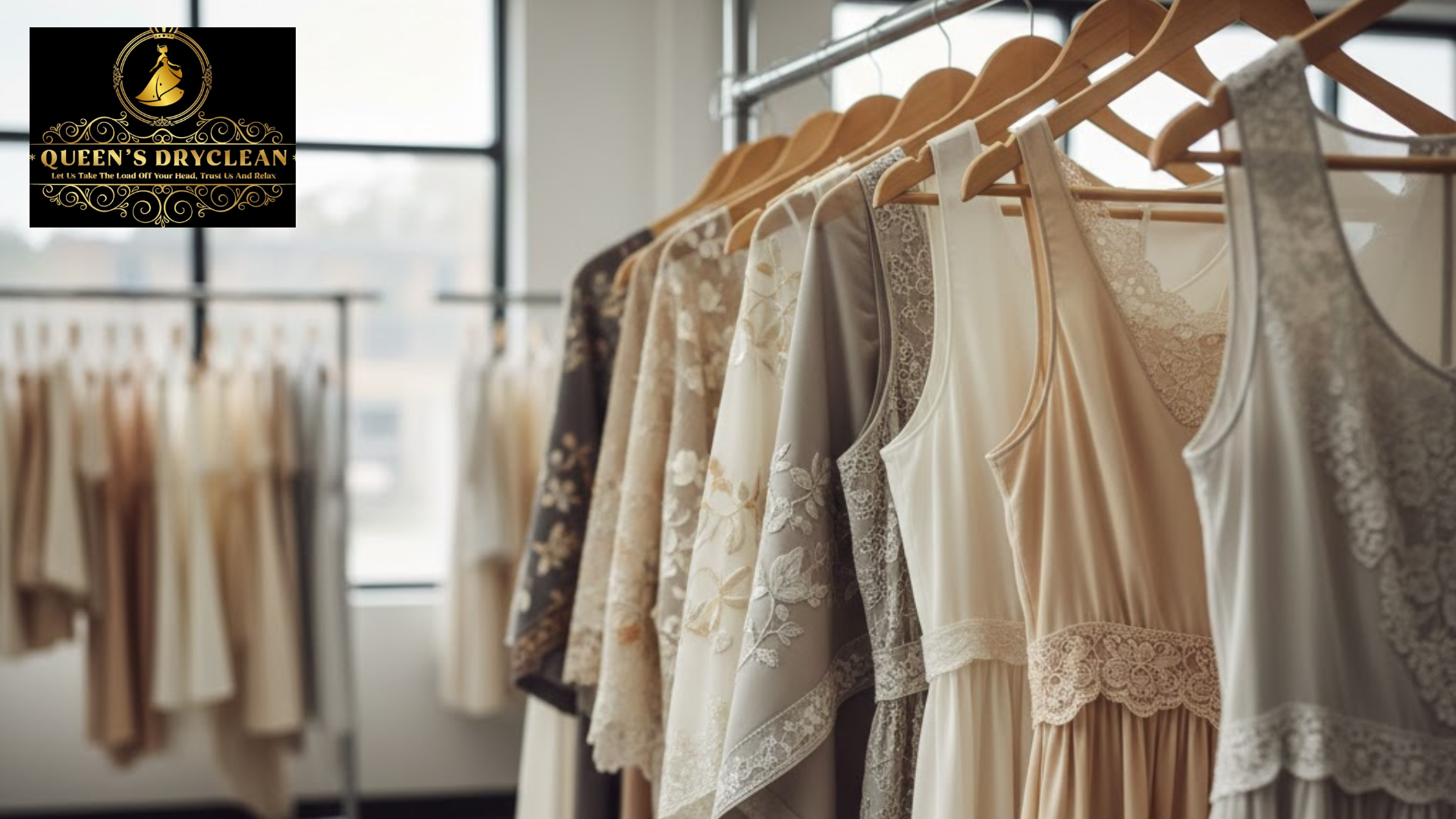
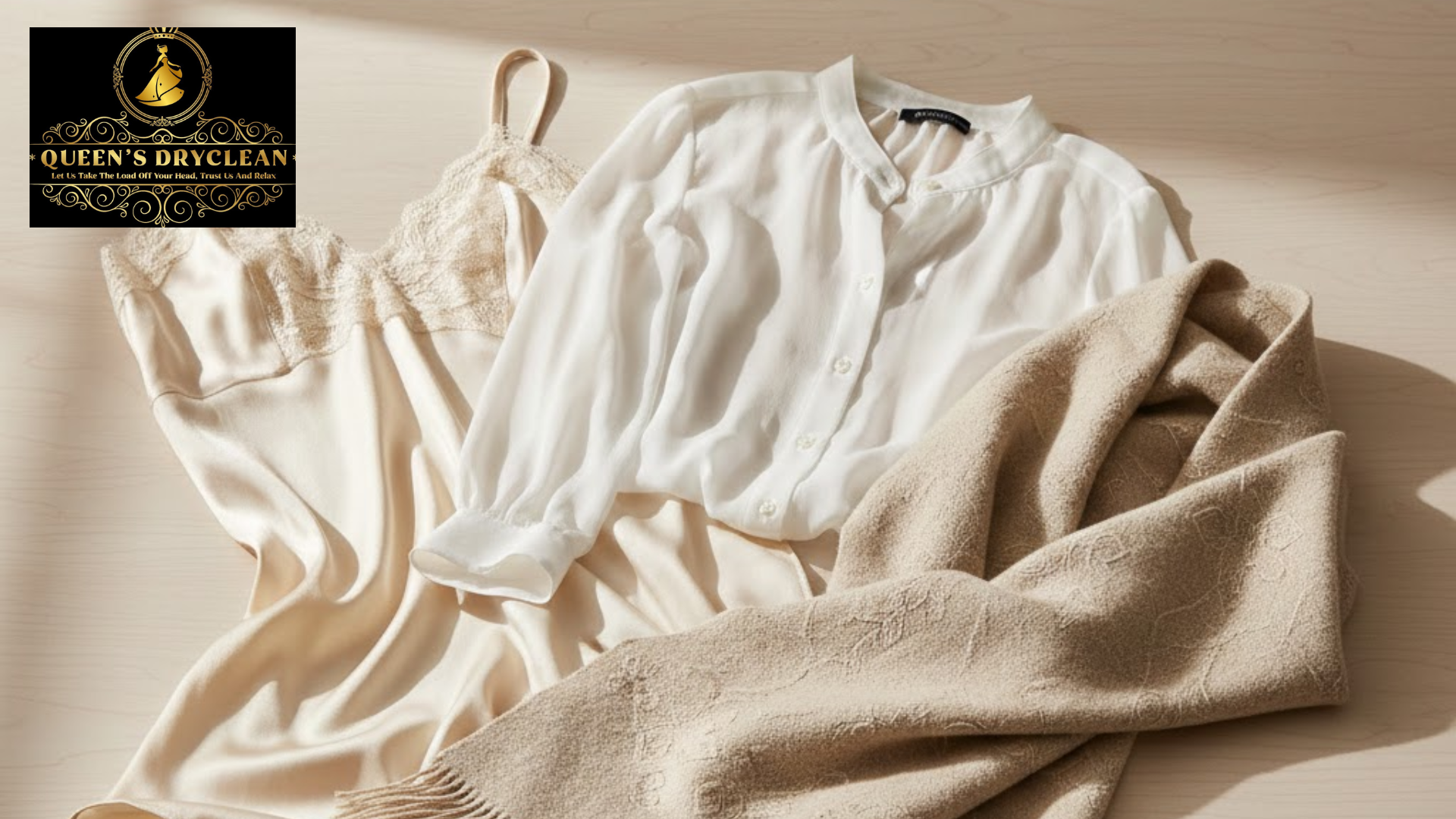
- Wool and cashmere shawls
- Silk, chiffon, and lace dresses
- Wedding gowns and bridal wear
- Hand-embroidered or designer outfits
These pieces are not meant for common washing cycles.
Why Special Garment Care Matters
Delicate fabrics weaken under duress.
Water, heat, and friction cause damage.
Wedding dresses often comprise beads and lace.
Shawls confine dust and body oils over time.
According to textile experts, over 45% of delicate garment damage comes from incorrect washing. .
Proper care conserves fabric strength and shape.
Shawl Care Tips: Keep Them Soft and Structured
Shawls need gentle maintenance.
Inappropriate storage causes pilling and distortion.
Best Shawl Care Practices
- Clean before seasonal storage
- Fold, never hang
- Employ breathable storage covers
- Steer clear of plastic wrapping
Cashmere and wool benefit from professional cleaning.
It fends off fiber breakage.
Delicate Cleaning Guide for Dresses
Delicate dresses need fabric-specific attention.
Water washing often generates color bleeding.
Home Care Tips
- Read care labels carefully
- Avoid aggressive detergents
- Never wring fabric
- Air dry flat
Home Care Fails
- Fabric feels stiff
- Shape looks distorted
- Colors appear drab
That is the correct time for professional garment care.
Wedding Dress Care: Preserve the Memory
Wedding dresses amalgamate multiple fabrics.
They include lace, silk, satin, velvet and embellishments.
Why Wedding Dress Care Is Different
- Stains may not be visible instantly
- Sweat and oils oxidize over time
- Improper storage causes yellowing
Best Practices
- Clean soon after the incident
- Avoid home stain treatments
- Keep in acid-free packaging
Professional wedding dress care prevents irreversible impairment.
General Mistakes People Make
Even careful owners make errors.
- Washing delicates with common laundry
- Deploying hot water
- Hanging heavy garments
- Storing clothes without cleaning
- Disregarding professional advice
One erroneous step can permanently damage fabric.
How Professional Garment Care Helps
Professional garment care wields fabric-safe methods.
Each garment receives personal attention.
At Queens Dry Clean , special garments encounter:
- Fabric assessment
- Gentle stain removal
- Controlled cleaning
- Shape-preserving pressing
Free pickup and delivery clarify the process.
A 48-hour turnaround ensures convenience.
Case Insight: Preserving a Bridal Lehenga
A client from Juhu stored her bridal lehenga uncleaned.
Oil stains surfaced months later.
Professional treatment restored fabric clarity.
Detained cleaning would have caused permanent damage.
Timely care makes all the difference.
Conclusion
Special garments deserve distinctive attention.
They are often irreplaceable.
Shawls, dresses, and wedding wear need tender handling.
Proper cleaning protects fabric and worth.
A simple delicate cleaning guide prevents costly blunders.
Professional garment care ensures peace of mind.
If you want your special garments treated right, expert care makes the difference.
Queens Drycleaning offers premium care for delicates, with free pickup and delivery and 48-hour turnaround.
Head to queensdryclean.com to schedule your free pickup today